9 Essential Campfire Safety Tips
As summer draws to a close and colder weather arrives, then is the ideal time to gather around a bonfire with family and friends beneath the stars.
Although campfires are enjoyable, they can pose certain concerns, so you should make sure your land, house, and community are safe before lighting one.
Campfires are a classic aspect of the camping experience, but they come with a lot of responsibility. After all, you do not want to be the cause of a wildfire that gets out of hand.
Considering all that here is how to construct a safe campfire and some campfire safety tips you would want to follow.
Essential Campfire Safety Tips
While sitting under the stars with your loved ones on a chilly night in front of a campfire does have a certain excitement attached to it — let’s not forget that fire, if not handled with the car, can certainly go wrong. Hence, we bring to you some campfire safety tips that would help you have a good campfire experience.
- Understand the Fire Risk in Your Area
Examine the region you’ll be traveling to and the local state government’s wildfire danger map, which is generally available online. Wildfires are more prone to occur in dry, overgrown places with high winds, such as the forest areas of California hit by the Santa Ana winds, than in moist, temperate areas like coastal Washington state.
When going camping for the first time or venturing into an unknown country, familiarise yourself with the regional campfire safety procedures and wildfire danger. Follow the rules of your park and, if in question, inquire.
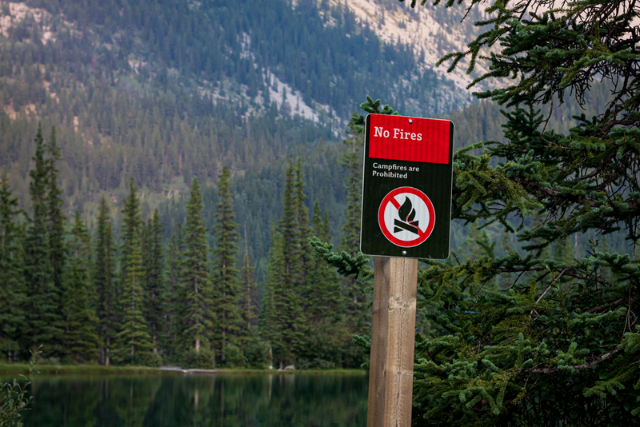
Campgrounds in dry areas, such as Colorado, may specifically prohibit or permit the use of fires. While M&M Campground in Boulder, Colorado, allows campfires, several other campgrounds in the state are forced to limit their use owing to a scarcity of water.
- Use A Fire Pit
Although a pit or fire ring may not always be accessible, it is usually safer to utilize one if one is available. This keeps the fire contained and makes cooking much easier because you can place a grill on top of the pit to create an outdoor cooktop.
If one isn’t available, create your own pit by clearing a 10-foot space and surrounding it with rocks. Never light a fire on the grass.
- Select a Fire-Building Technique
Pick your fire-building method in advance if it’s your first time camping or you think you’ll be in bad weather. This will assist you in making your fire as safe, pleasant, and efficient as possible.
However, these weather-resistant fire-building methods need the use of specialized equipment, such as a saw for the Swedish torch or some practice.
- Safely get and store your fuel.
Keep your woodpile a safe distance from the campfire. Keep your wood dry by storing it under a tarp. Consider piling your wood on top of a tarp if the weather prediction calls for heavy rain. This will keep water from seeping into the wood from beneath.
To prevent introducing alien insects and illnesses to the local natural region, use local wood.
- Responsibly Dispose of The Fire
If you’re starting a campfire with a match, either throw it into the flames or douse it with water. Please do not throw it into the trees or to the side since the tip might still be hot and spark a new fire.
If you’re carrying fuel, such as lighter fluid, keep it out of the fire and use it carefully. Keep an eye out for any gasoline leaks or other sources of ignition.
- Don’t go too overboard.
Big flames burn for longer, produce more sparks, consume more fuel, and are potentially more dangerous. You’ll probably spend more time putting out these sorts of flames, and if you don’t keep an eye on them, they’ll rapidly get out of hand.
- Maintain a Safe Distance from the Fire
When cooking or stoking the fire, loose clothing and hair might be dangerous, so pay attention to what you’re wearing and tie your hair back.
Campfires most commonly cause children’s camping injuries, so teach your kids about the dangers of fire and how to halt, drop, and roll if they come too near to the flames and their clothing catch fire.
- A fire should never be left unattended.
The most fundamental campfire safety tip is to never leave a fire unattended. Unattended flames can swiftly spread and cause destructive wildfires in the surrounding region.
Also, never leave a fire unattended all night since the sparks might not only burn neighboring plants but can also endanger tents and camping gear. In an unsupervised campfire, campers may be burnt or gravely wounded.
To protect nearby camping equipment, items should be placed at least 20 feet away and upwind of the fire.
- Keep some water on hand.
Keep water on hand in case the fire grows larger than expected. Many experts advise keeping a large jug close to a fire. This can assist prevent a raging fire from becoming out of control.
If anything happens and the fire is out of control, and you do not have enough water — call the fire extinguisher. Get yourself some help!
- Completely extinguish the fire.
Put out your campfire after you’re finished. Soak the coals and the ground immediately surrounding them. A pail of sand or soil is often kept nearby to extinguish the fire at the end of the evening. Sand and grit obliterate the oxygen that fuels a fire, causing it to extinguish rapidly.
To prevent the fire from rekindling, completely bury it and stir the embers with sand or soil. Before leaving your location, wait until all the flame and smoke evidence has vanished.
Final Words
Camping should be a rewarding and enjoyable experience, and following these campfire safety rules will guarantee that your next trip is enjoyable and safe. Enjoy bonding with nature while keeping it safe from wildfires.
It’s fairly unusual for burn restrictions to be implemented throughout the summer months. Before leaving home, check about burn prohibitions if you intend to have a campfire.
Fortunately, a fast internet search will provide this information. If a burn ban is in effect, you must obey it; failing to do so may result in fines at best and catastrophic destruction at worst.
Burn prohibitions often, so even if you’ve camped at a given location, don’t draw assumptions about current restrictions.
Have a great time camping!