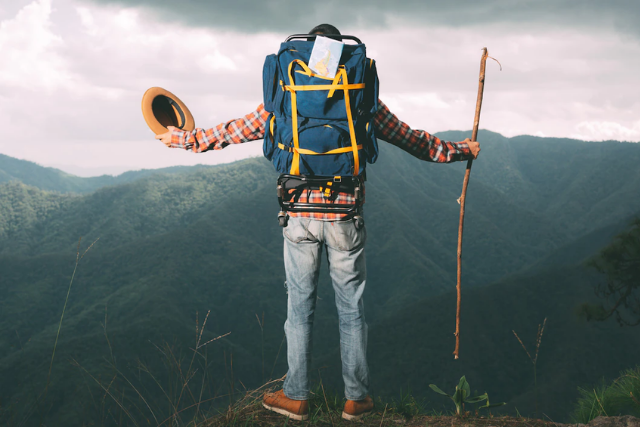
6 Useful Tips for Mountain Hiking
Mountain hiking can be slightly frightening for beginners at first, but it’s really not intimidating once you are familiar with trails and are organized. Hiking is a great way to plunge into and get immersed in your natural surroundings to refuel and replenish your energies.
This guide will elucidate some of the basic mountain hiking tips for beginners to make your adventure enjoyable.
- Opt for a Hike for Learners
Do not make the common mistake of overdoing it on a hike and choose a trail that isn’t too long or one which does not require you to climb steep slopes. Stick to a minimal 5-mile climb if you are a beginner.
Gradually build up your stamina in advance by doing an extra mile every week if you are looking to increase your targeted distance while bearing the total hiking climb in mind, as smooth 5 miles hit much differently than 5 miles on a steep hill.
Read trail guides before setting off on a hike as you would want to get familiar with the paths you will be taking, knowing what to expect, where the sharp and steep turns are, and how much time it should take you to get to a certain point.
- Buy Hiking Gear for Starters
The good thing about hiking for beginners is that they don’t really need to invest in pro hiking gear, as their available resources should suffice.
A common mistake with beginner hikers is that they think they can get off hiking wearing normal clothes, which will be an obstacle during the course if the clothes get wet or sweaty. Wearing dry-fit clothing and activewear is recommended so that you’re comfortable on your adventure. Wearing full sleeve shirts will protect you from getting scraped by bushes on your trail.
Good sports shoes are an essential item for your hike, and trail runners are highly recommended shoes to wear on your adventure. Avoid wearing old hiking boots as they can cause blisters and discomfort.
Carry a comfortable backpack on your hike and pack only the essentials so that the weight doesn’t become an obstacle during the hike. Expect rain or extreme temperatures.
- Fully Comprehend Your Map
Following a map to double-check your direction after each turning is important and key to avoiding losing your way during the hike and also enjoying it. Check the sun’s position to verify your direction – east in the morning and west in the afternoon.
Record your route’s compass direction while approaching a peak, or mark the trail with a big rock or prominent stick so you can find your way back. Navigate your route easily by using electronic navigation devices. Using the built-in GPS in your cellular device can help you locate your standing point better while being at peace that you will not get lost.
Similar apps can be downloaded prior to your hikes, like GaiaGPS and AllTrails. Make sure also to download the offline versions of the maps so you do not get stranded on a trail.
It is suggested to switch your phone to flight mode before you start your hike as phones drain a lot of battery trying to receive signals when they go out of a cell tower range.
- Manage your time wisely
Make sure to have a well-versed plan sketched out before departing for a hike and to sign in at registration points. You can avoid potentially threatening and dangerous situations and crowds by being prepared ahead of time and starting your hike early in the day.
Unprecedented situations are likely to occur while hiking, such as a trail being blocked off, inaccessible areas due to extreme weather conditions, and detouring to unexpected directions. You can avoid such events by beginning your trek early to reach your goal at a reasonable hour or by checking the live weather updates on the mountains.
A walk in nature should never be taken lightly, and it’s important to plan your time wisely during a hike. It is necessary to have a plan as well as a backup plan to ensure safety during a hike.
- Do the pre-hike preps.
Contact the park office to check if your chosen trail requires a permit. These permits are usually free of charge and can be acquired easily before you begin your hike. You must check the current weather conditions before setting off for a hike and keep an eye out for the extreme weather conditions on mountains and summits.
- Get familiar with Hiking Etiquette.
You must be mindful of other hikers using the same trail as you, so give way to others to pass if you have stopped midway to catch your breath. Greet others with a pleasant smile and say hello if you pass them.
Talk regarding the weather and other common things that happen with other hikers on the trail. Keep moving ahead and uphill if you do not wish to stop and have a quick chat with other hikers.
Avoid talking extremely loudly or playing very loud music as most people retreat to hiking for peace of mind and to connect with nature. Keep your fur friends on a leash and in control. Respect other hiker’s space as some fear being around animals and like to enjoy their hike without fear.
Carry a trash bag with you to keep away all the wrappers and waste so as to not litter any trail or leave behind evidence.
Give enough way to bikers and horses that are passing to avoid any mishaps or accidents.
Finishing up
People are rarely ever adventurous enough to explore nature’s uniqueness and push their limits to expand their skills. Now that you have tips on becoming a better hiker, it’s time to start preparing and training for your next mountain hiking adventure! Carry a hiking guide to make your adventure a safe and enjoyable one.